Your shopping cart is empty!


TENS Machine for Neck Pain
A PORTABLE, DRUG-FREE OPTION FOR MANAGING NECK PAIN
Neck pain can make everyday activities uncomfortable, from working at a computer and driving to exercising and getting a good night's sleep.
Whether your discomfort is associated with muscle tension, prolonged sitting, poor posture or an underlying musculoskeletal condition, finding suitable pain-management options can help you stay comfortable.
A TENS machine (Transcutaneous Electrical Nerve Stimulation) provides a portable, drug-free option that may help deliver temporary relief from some types of neck-related pain.
Our TENS/EMS machines combine electrical nerve stimulation for pain management with muscle stimulation functionality, offering flexibility for different needs.
TECHNOLOGY THAT COMBINES PAIN MANAGEMENT AND MUSCLE STIMULATION
Our TENS/EMS machines offer DUAL FUNCTIONALITY, combining two different types of electrical stimulation in one device.
TENS — Pain Management
EMS — Muscle Stimulation
Transcutaneous Electrical Nerve Stimulation (TENS) delivers small electrical impulses through electrode pads placed on the skin. These impulses may help reduce the perception of pain, providing temporary relief from certain types of muscular discomfort.
Electrical Muscle Stimulation (EMS) delivers electrical impulses that cause muscles to contract. EMS may be used as part of an appropriate muscle-conditioning or rehabilitation program under professional guidance.
One device. Two functions.
One device. Two functions.
FEATURES
Simple controls and pre-set programs make it easy to get started.
Adjust the intensity and selected settings to suit your individual needs and comfort.
Compact devices that can be used conveniently at home or while travelling.
Choose from a range of TENS and EMS programs depending on the model.
Simply replace the electrode pads when required and continue using your device.

Our MediHighTec TENS/EMS machines are backed by a 3-year warranty.
BENEFITS OF USING A TENS MACHINE FOR NECK PAIN
Drug-Free Pain Management
TENS provides a non-medication option that may help manage certain types of neck-related muscular discomfort.
TENS provides a non-medication option that may help manage certain types of neck-related muscular discomfort.
Target Surrounding Muscles
With professional guidance, electrode pads may be positioned on suitable upper-back or shoulder muscles associated with neck discomfort.
With professional guidance, electrode pads may be positioned on suitable upper-back or shoulder muscles associated with neck discomfort.
Adjustable to Your Comfort
Control the stimulation intensity to find a comfortable level that suits your individual needs.
Control the stimulation intensity to find a comfortable level that suits your individual needs.
Convenient Home Use
Portable and reusable, making TENS a practical option for temporary pain management at home.
Portable and reusable, making TENS a practical option for temporary pain management at home.
TENS PAD PLACEMENT FOR NECK PAIN
Correct electrode placement is particularly important when considering TENS for neck pain.
Although discomfort may be experienced in the neck itself, electrode pads should not be positioned on the front or sides of the neck. Avoid the throat and cervical spine.
Depending on the cause and location of discomfort, a physiotherapist may recommend positioning electrodes over suitable muscles in the upper back or shoulder region.
For a single-channel TENS machine, two electrode pads can be positioned over an appropriate muscular area, with adequate spacing between them.
A dual-channel TENS machine allows four pads to be used, although using additional pads is not always necessary or appropriate.
Important: Do not attempt to pass electrical stimulation across the neck, from one side of the neck to the other, or across the chest. Seek professional advice before using TENS for neck pain, and follow your device's approved electrode-placement instructions.
WHAT IS CAUSING YOUR NECK PAIN?
Neck pain can have several possible causes.
Muscle Tension & Overuse
Muscular discomfort can develop following repetitive activities, prolonged sitting or sustained positions.
Desk Work & Posture
Long periods working at a computer or looking down at a phone can contribute to neck and upper-back discomfort.
Neck Arthritis & Age-Related Changes
Changes affecting the joints and structures of the cervical spine may contribute to pain and stiffness.
Muscle Strain
Sudden movements, physical activities or overexertion may cause muscle strain and discomfort.
Pain Associated with the Shoulder
Some neck discomfort occurs alongside shoulder pain, particularly where muscles of the upper back and shoulder are involved.
TENS may help manage certain pain symptoms, but it does not correct the underlying cause.
TENS FOR NECK AND SHOULDER MUSCLE TENSION
The neck, shoulders and upper back work together during many everyday movements.
When muscles around these areas become uncomfortable, pain may be experienced across the upper shoulders and surrounding regions.
TENS may provide temporary relief for some people when electrodes are positioned safely over suitable muscles.
However, persistent neck or shoulder discomfort may require assessment and treatment addressing contributing factors such as muscle weakness, repetitive strain, work ergonomics or reduced mobility.
TENS should complement rather than replace appropriate treatment, exercise and rehabilitation.
TENS FOR NECK PAIN ASSOCIATED WITH ARTHRITIS
Arthritis and age-related changes in the cervical spine can sometimes contribute to neck pain and stiffness.
TENS may provide temporary symptom relief for some people, although evidence of effectiveness varies and it does not treat the underlying joint changes.
Where neck pain is associated with arthritis, it is important to obtain professional advice about suitable management options and safe electrode placement.

PRIVATE HEALTH INSURANCE TIP
Did you know that some private health insurers may provide rebates towards the purchase of a TENS machine?
Eligibility and rebate amounts depend on your insurer and level of cover.
Find out more about Private Health Insurance Rebates for TENS Machines.
PORTABLE PAIN MANAGEMENT AT HOME OR ON THE GO
Neck and upper-back discomfort can affect work, relaxation and everyday activities.
Our TENS machines are compact and portable, allowing you to use your device conveniently at home or take it with you when travelling.
With adjustable intensity and reusable electrode pads, TENS provides a flexible option for temporary pain management when used appropriately.
WE RECOMMEND THE FOLLOWING TENS/EMS MACHINES FOR NECK PAIN
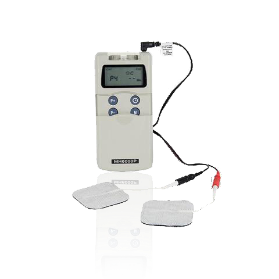
MH6000P TENS/EMS Machine
An easy-to-use and affordable TENS/EMS machine combining pain-management and muscle-stimulation functions.
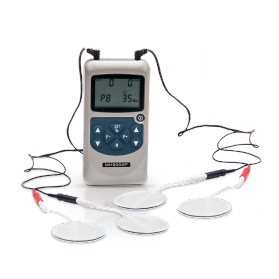
MH8000 TENS/EMS Machine
A versatile TENS/EMS machine offering a range of programs and settings for greater flexibility.
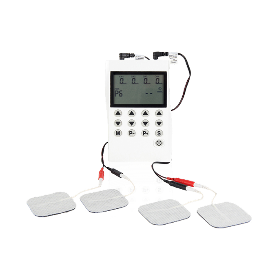
MH8001 TENS/EMS Machine
An advanced TENS/EMS machine offering extensive program options and greater control over TENS and EMS settings.
USING TENS SAFELY FOR NECK PAIN
Always follow the instructions supplied with your TENS machine and seek professional guidance about suitable electrode placement.
TENS should produce a comfortable tingling sensation rather than pain.
Do not position electrodes on the front or sides of the neck, over the throat or cervical spine, across the neck, across the chest, or over broken, irritated or numb skin.
Do not use TENS if you have a pacemaker or implanted defibrillator, or epilepsy, unless a suitably qualified healthcare professional has specifically assessed its safety. Seek medical advice before use during pregnancy.
Do not use TENS while sleeping, driving, operating machinery or bathing.
If neck pain is persistent, severe, follows an injury, or is accompanied by weakness, numbness or tingling in the arms, seek medical assessment. New neurological symptoms, severe headache, fever or difficulty walking may require urgent medical attention.
TENS may assist with temporary pain management but does not diagnose, treat or cure the underlying cause of neck pain.