Your shopping cart is empty!



TENS Machine for Sports Injury & Recovery
PAIN MANAGEMENT & MUSCLE STIMULATION FOR SPORTS INJURY RECOVERY
Sports injuries can interrupt training, limit movement and make everyday activities uncomfortable.
Whether you're recovering from a muscle strain, ligament injury, overuse condition or a period of reduced activity, managing pain and rebuilding strength are important parts of rehabilitation.
A TENS/EMS machine provides two complementary functions in one portable device: TENS for temporary pain management and EMS for targeted muscle stimulation.
Used appropriately, these technologies may provide additional support alongside physiotherapy, rehabilitation exercises and a structured return-to-sport program.
TECHNOLOGY THAT COMBINES PAIN MANAGEMENT AND MUSCLE STIMULATION
Our TENS/EMS machines offer DUAL FUNCTIONALITY, combining two different types of electrical stimulation in one device.
TENS — Pain Management
EMS — Muscle Stimulation
Transcutaneous Electrical Nerve Stimulation (TENS) delivers small electrical impulses through electrode pads placed on the skin. These impulses may help reduce the perception of pain, providing temporary relief from certain types of musculoskeletal discomfort.
Electrical Muscle Stimulation (EMS) delivers electrical impulses that cause muscles to contract.
EMS may be used under professional guidance to support muscle activation and conditioning as part of rehabilitation, particularly following injury or periods of reduced activity.
One device. Two functions. Supporting your recovery.
EMS may be used under professional guidance to support muscle activation and conditioning as part of rehabilitation, particularly following injury or periods of reduced activity.
One device. Two functions. Supporting your recovery.
FEATURES

Simple controls and pre-set programs make it easy to get started.
Adjust the intensity and selected settings to suit your individual needs and comfort.

Compact devices that can be used conveniently at home or taken with you when travelling.
Choose from a range of TENS and EMS programs depending on the model.
Simply replace the electrode pads when required and continue using your device.

Our MediHighTec TENS/EMS machines are backed by a 3-year warranty.
BENEFITS OF USING A TENS/EMS MACHINE FOR SPORTS INJURY RECOVERY
Drug-Free Pain Management
TENS provides a non-medication option that may help manage certain types of pain associated with sports injuries.
TENS provides a non-medication option that may help manage certain types of pain associated with sports injuries.
Targeted Muscle Stimulation
EMS can stimulate specific muscle groups and may complement prescribed muscle activation and strengthening exercises.
EMS can stimulate specific muscle groups and may complement prescribed muscle activation and strengthening exercises.
Adjustable to Your Comfort
Choose appropriate programs and adjust stimulation intensity according to your needs and professional guidance.
Choose appropriate programs and adjust stimulation intensity according to your needs and professional guidance.
Convenient Home Rehabilitation Support
Portable and reusable, allowing suitable TENS or EMS sessions to be incorporated into an at-home rehabilitation program.
Portable and reusable, allowing suitable TENS or EMS sessions to be incorporated into an at-home rehabilitation program.
TENS FOR SPORTS INJURY PAIN MANAGEMENT
Pain following a sporting injury can affect movement, exercise and everyday activities.
TENS may provide temporary relief from certain types of musculoskeletal pain by delivering electrical impulses through electrode pads positioned around an appropriate treatment area.
Depending on the nature of the injury, TENS may be considered for discomfort associated with muscle strains, overuse conditions or other musculoskeletal problems.
However, TENS does not repair damaged muscles, tendons or ligaments, and pain relief should not be used as a reason to return to sport before an injury has adequately recovered.
If you have a new or undiagnosed injury, seek professional assessment before using TENS.
EMS FOR MUSCLE REHABILITATION & RECOVERY
Following a sports injury, reduced activity or immobilisation can contribute to muscle weakness and loss of conditioning.
EMS produces controlled muscle contractions through electrical stimulation and may be used as an additional component of certain rehabilitation programs.
Under the guidance of a physiotherapist or other suitably qualified healthcare professional, EMS may help support:
- Muscle activation following periods of reduced use
- Targeted muscle recruitment during rehabilitation
- Maintenance or rebuilding of muscle function in selected circumstances
- Progressive rehabilitation alongside appropriate strengthening exercises
EMS does not replace active exercise, physiotherapy or progressive loading.
The suitability of EMS depends on the injury, stage of recovery and individual rehabilitation goals.
COMMON SPORTS INJURIES & AREAS OF RECOVERY
Knee Injuries
Knee injuries can affect mobility, stability and confidence during physical activity.
TENS may help manage certain types of knee discomfort, while EMS may be considered for quadriceps activation as part of a supervised rehabilitation program.
Learn more about TENS for Knee Pain
Shoulder Injuries
Shoulder strains, rotator cuff problems and overuse conditions can make lifting, reaching and training uncomfortable.
TENS may provide temporary relief from some types of shoulder pain, while appropriate rehabilitation focuses on restoring movement, strength and function.
Learn more about TENS for Shoulder Pain
Lower Back Injuries
Sporting activities involving lifting, twisting or repetitive movement can contribute to lower back discomfort.
TENS may be considered for temporary symptom management in selected circumstances, although evidence for effectiveness varies and it is not recommended as routine treatment for chronic primary lower back pain.
Learn more about TENS for Lower Back Pain
Thigh, Calf & Hamstring Injuries
Muscle strains are common in sports involving sprinting, jumping and sudden changes in direction.
During appropriate stages of rehabilitation, EMS may be considered for targeted muscle activation under professional guidance.
Electrical stimulation should not be applied over an acute injury without professional assessment.
Ankle & Lower Limb Injuries
Ankle sprains and other lower limb injuries can result in reduced movement and muscle conditioning.
Rehabilitation generally focuses on restoring mobility, balance, strength and function. TENS or EMS may be considered as supplementary tools where clinically appropriate.
TENS & EMS PAD PLACEMENT FOR SPORTS INJURIES
Correct electrode placement depends on the area being treated, the type of stimulation and the stage of injury recovery.
TENS Pad Placement
For pain management, electrode pads are generally positioned around an appropriate painful area, following the device instructions and professional advice.
EMS Pad Placement
For muscle stimulation, pads are positioned to activate the intended muscle group. Placement and settings should be guided by a physiotherapist or other suitably qualified healthcare professional.
A dual-channel TENS/EMS machine allows four pads to be used, offering flexibility for suitable applications.
Do not place electrodes directly over open wounds, damaged skin, areas of significantly reduced sensation or an injury that has not been appropriately assessed.
WHEN CAN I START USING TENS OR EMS AFTER A SPORTS INJURY?
The appropriate time to use electrical stimulation depends on the nature and severity of the injury.
During the Early Stages of Injury
New injuries may involve swelling, inflammation, bruising or damaged tissue. Professional assessment is important before introducing electrical stimulation.
During Rehabilitation
TENS may be considered for temporary pain management, while EMS may be introduced for muscle activation where appropriate and recommended by a healthcare professional.
During Return to Sport
As rehabilitation progresses, the emphasis should remain on restoring strength, mobility, balance and sport-specific function.
TENS and EMS may complement this process, but neither should be used to mask pain or bypass return-to-sport assessments.
CAN TENS OR EMS SPEED UP SPORTS INJURY RECOVERY?
TENS and EMS serve different purposes.
TENS may provide temporary pain relief, but it does not directly heal injured tissue.
EMS may help stimulate muscles and support selected rehabilitation goals, but this does not necessarily mean faster healing or an earlier return to sport.
Recovery time depends on the injury, its severity, appropriate treatment and the progression of rehabilitation.
A structured rehabilitation program remains essential.

PRIVATE HEALTH INSURANCE TIP
Did you know that some private health insurers may provide rebates towards the purchase of a TENS/EMS machine?
Eligibility and rebate amounts depend on your insurer and level of cover.
Find out more about Private Health Insurance Rebates for TENS Machines.
PORTABLE SUPPORT FOR YOUR REHABILITATION
Sports injury rehabilitation often involves exercises and treatment activities performed outside the clinic.
Our TENS/EMS machines are compact and portable, making them convenient for appropriate home use or travel.
With adjustable settings, multiple programs and reusable electrode pads, a TENS/EMS machine can provide flexibility as part of an individually tailored rehabilitation program.
WE RECOMMEND THE FOLLOWING TENS/EMS MACHINES FOR SPORTS INJURY RECOVERY
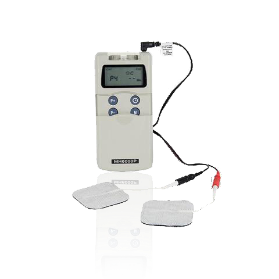
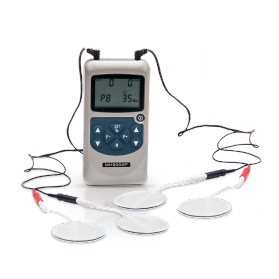
MH6000P TENS/EMS Machine
An easy-to-use and affordable TENS/EMS machine combining pain-management and muscle-stimulation functions.
A practical option for people seeking straightforward electrical stimulation functionality.
A practical option for people seeking straightforward electrical stimulation functionality.
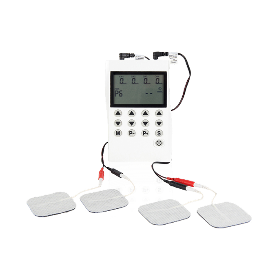
MH8000 TENS/EMS Machine
A versatile TENS/EMS machine offering a range of programs and settings for greater flexibility.
Suitable for customers seeking both pain-management and muscle-stimulation options.
Suitable for customers seeking both pain-management and muscle-stimulation options.
MH8001 TENS/EMS Machine
An advanced TENS/EMS machine offering extensive program options and greater control over TENS and EMS settings.
An option for customers wanting additional flexibility in their electrical stimulation programs.
An option for customers wanting additional flexibility in their electrical stimulation programs.
USING TENS & EMS SAFELY DURING SPORTS INJURY RECOVERY
Always follow the instructions supplied with your TENS/EMS machine.
Seek medical or physiotherapy advice before using electrical stimulation on a recent injury, following surgery or where the cause of pain is uncertain.
Do not place electrodes over broken or irritated skin, areas of significantly reduced sensation, the front or sides of the neck, or across the chest.
Do not use electrical stimulation over an area with a suspected blood clot, or where muscle contraction could disrupt healing tissue or a surgical repair.
Do not use TENS/EMS if you have a pacemaker or implanted defibrillator, or epilepsy, unless a suitably qualified healthcare professional has specifically assessed its safety. Seek medical advice before use during pregnancy.
Do not use the device while sleeping, driving, operating machinery or bathing.
Stop use if stimulation causes pain, significant discomfort or worsening symptoms.
TENS and EMS may support selected pain-management and muscle-rehabilitation goals but do not diagnose, treat or cure the underlying sports injury, repair damaged tissue or replace appropriate rehabilitation.